Russia’s Valday Gambit: A Strategic Raise or a Diplomatic Defeat?
Lavrov’s claim of a drone attack on Putin’s residence backfires, framing Ukraine as a rising superpower while exposing Russia’s strategic failures.
 Editor


Yusuf İnan
Journalist | Opinion Writer
Wise News Press – Izmir, Türkiye
Russian Foreign Minister Sergey Lavrov’s recent allegations that Ukrainian drones targeted President Vladimir Putin’s highly secluded Valday residence have sent ripples through the global political arena. However, the narrative is shifting in a direction Moscow likely did not intend.
While the Kremlin appears to be framing this as a "victimhood" narrative to raise the stakes at the peace table and justify further aggression, strategic analysts suggest this move is a self-inflicted blow to Russia's "superpower" image. For a nation that initially expected to seize Kyiv in three days, admitting that its most strategic and private sites are now vulnerable to Ukrainian strikes is nothing short of a public confession of strategic decline.
Russia crowns Ukraine as a military powerhouse
Lavrov’s statements act as an official global proclamation that Ukraine now possesses the strength and technical capability to conduct operations at the most strategic points deep within Russian territory. If Ukraine can indeed penetrate Russian airspace with 91 long-range drones to reach Putin’s doorstep, it signals a collapse of Russian air defense and intelligence networks. By making this claim, Moscow is effectively transferring its "superpower" title to President Zelenskyy and his team—the very actors it sought to diminish at the war's onset.
The flaw in the "Victimhood" strategy
Russia's attempt to gain leverage in peace negotiations through these claims reveals a significant crisis in strategic planning. A global power does not gain international sympathy by claiming a neighbor has reached its leader’s bedroom; it only confirms its own inadequacy. The current Russian leadership seems to be struggling to define a winning strategy, failing to realize that peace is currently the most profitable and honorable exit. The production of such poor strategic narratives diminishes Putin’s global standing, making the potential dismissal of Lavrov a plausible next step for the Kremlin.


Conclusion: An admission of defeat
As President Zelenskyy noted, these claims likely aim to sabotage the diplomatic momentum building in Washington. However, this path leads Russia into a strategic dead end. The "threatening power" status that Russia has now assigned to Ukraine and Zelenskyy is a bitter admission of who is actually winning on the ground and at the table. Peace remains the only rational option for Russia, yet Moscow’s current "victimhood" play only serves to crown its own strategic defeat.
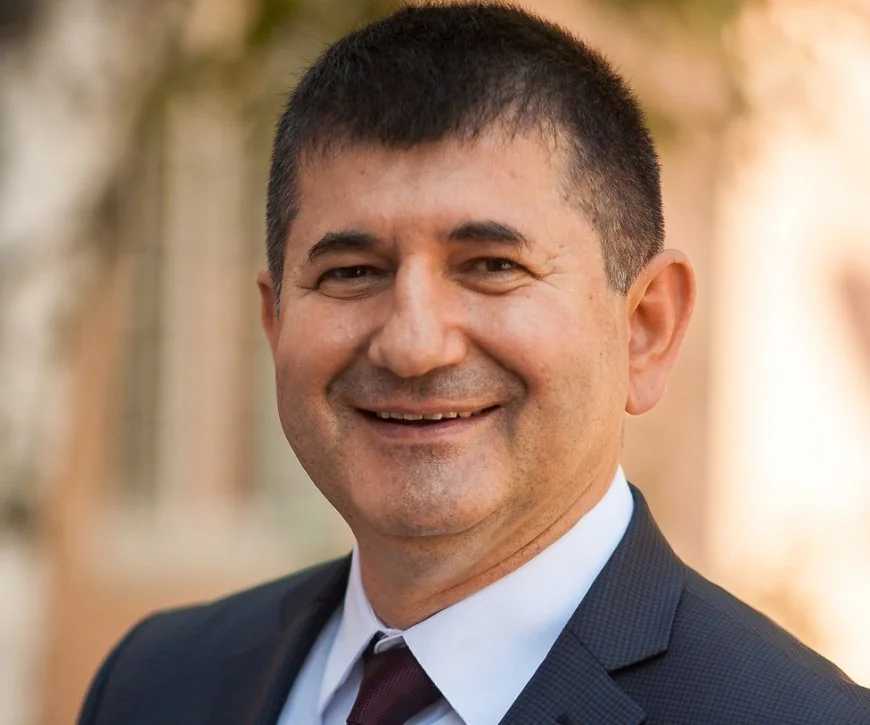
Yusuf İnan
Yusuf İnan is a journalist and writer.
He serves as Editor-in-Chief of WiseNewsPress.com, SehitlerOlmez.com, and YerelGundem.com.
He specializes in strategic and political analysis on Turkish and global affairs.