



The Shield of the South: How Vitalii Kim saved Mykolaiv and wrote Ukraine's recovery playbook
From surviving targeted missile strikes to securing a €225 million reconstruction partnership with Denmark, Mykolaiv Governor Vitalii Kim exemplifies a new era of decentralized crisis management in Ukraine.


By Yusuf İnan
Journalist | Political & Strategic Analyst
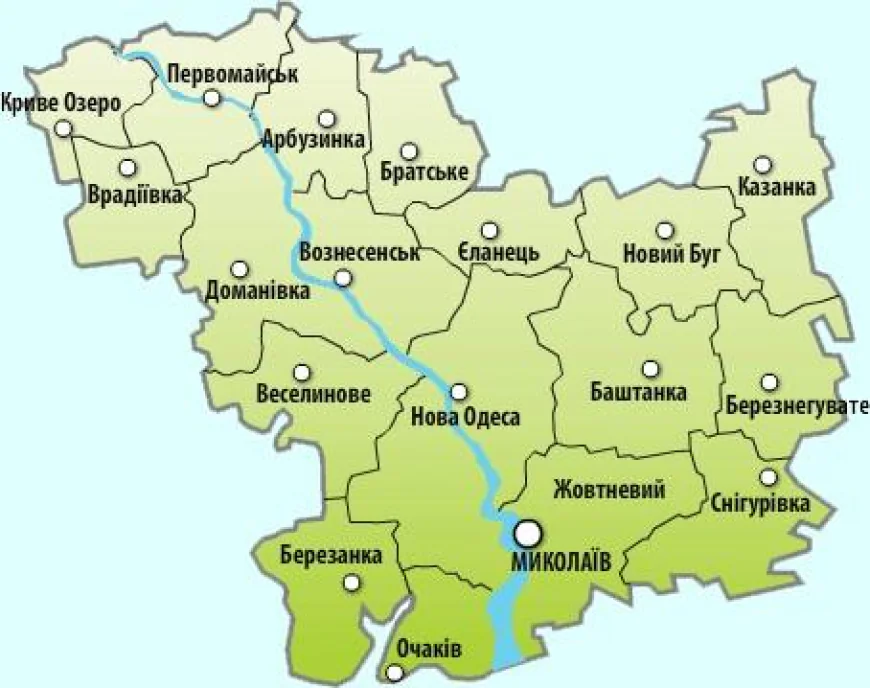
MYKOLAIV, KYIV, UKRAINE — In the high-stakes geopolitical theater of Ukraine’s southern front, the city of Mykolaiv has stood as the unbreakable shield protecting the strategic port of Odesa. Yet, the story of Mykolaiv’s survival is not solely a narrative of military entrenchment; it is a masterclass in modern civilian crisis management. At the helm of this monumental effort is Vitalii Kim, the Head of the Mykolaiv Regional Military Administration.
Thrust into the international spotlight by the full-scale invasion in February 2022, Kim transitioned overnight from a civilian bureaucrat with an entrepreneurial background into a wartime commander of civil infrastructure. Today, his administration is recognized across European and American policy circles not just for surviving the initial onslaught, but for pioneering a highly effective model of "decentralized diplomacy." By bypassing traditional bureaucratic bottlenecks to forge direct, multi-million-euro partnerships with sovereign nations like Denmark and global institutions like the United Nations Development Programme (UNDP), Kim is actively drafting the blueprint for Ukraine’s post-war reconstruction while the artillery still fires.
The businessman turned wartime administrator
Born on March 13, 1981, in Mykolaiv, Vitalii Kim possesses a deep, intrinsic understanding of the region's complex socio-economic fabric. A Ukrainian of Korean descent, he graduated from the Admiral Makarov National University of Shipbuilding with a degree in enterprise economics. For nearly two decades, his professional life was anchored in the private sector, where he honed his skills as an entrepreneur and corporate manager. His initial foray into the analytical side of public administration occurred briefly between 2015 and 2016 within the Ministry of Agrarian Policy, but his definitive entry into high-level politics came through his organizational roles during the 2019 and 2020 election cycles.


His political trajectory culminated on November 25, 2020, when President Volodymyr Zelenskyy signed Decree No. 517/2020, appointing Kim as the Head of the Mykolaiv Regional State Administration. Initially tasked with civilian economic development, Kim’s mandate was radically transformed by the events of February 24, 2022. Under martial law provisions enacted by Decree No. 68/2022, regional state administration heads were instantly granted the expansive authority of Regional Military Administration (RMA) chiefs. Overnight, Kim assumed absolute responsibility for both maintaining the fragile civilian bureaucracy and coordinating territorial defense, public order, and emergency logistics across a massive, heavily targeted front.
"Good evening, we are from Ukraine": The psychology of leadership
In modern warfare, the collapse of civilian morale can be as devastating as the loss of physical territory. During the grueling first months of the invasion, as Russian forces relentlessly bombarded Mykolaiv in their push toward Odesa, Kim recognized that maintaining psychological dominance was paramount. In a region where air raid sirens offered only minutes of warning, bureaucratic press releases were obsolete.


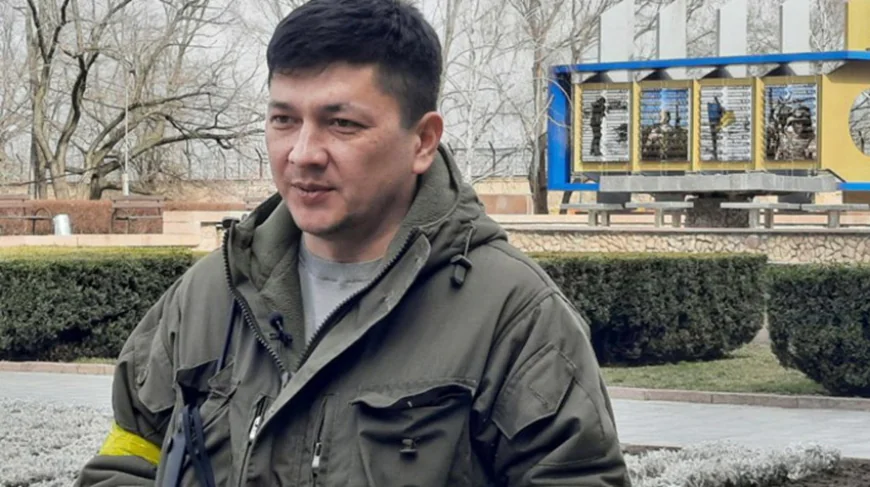
Instead, Kim leveraged the messaging app Telegram to establish a direct, unfiltered line of communication with the public. Broadcasting daily video updates directly from his smartphone, often wearing a casual fleece jacket and a reassuring smile, he bypassed traditional media filters. His signature opening line—"Good evening, we are from Ukraine" (Dobriy vechir, mi z Ukrayini)—quickly transcended regional boundaries, evolving into a nationwide mantra of defiance and resilience. This strategy demystified the fog of war, provided actionable intelligence to civilians, and projected an image of unshakable state continuity.
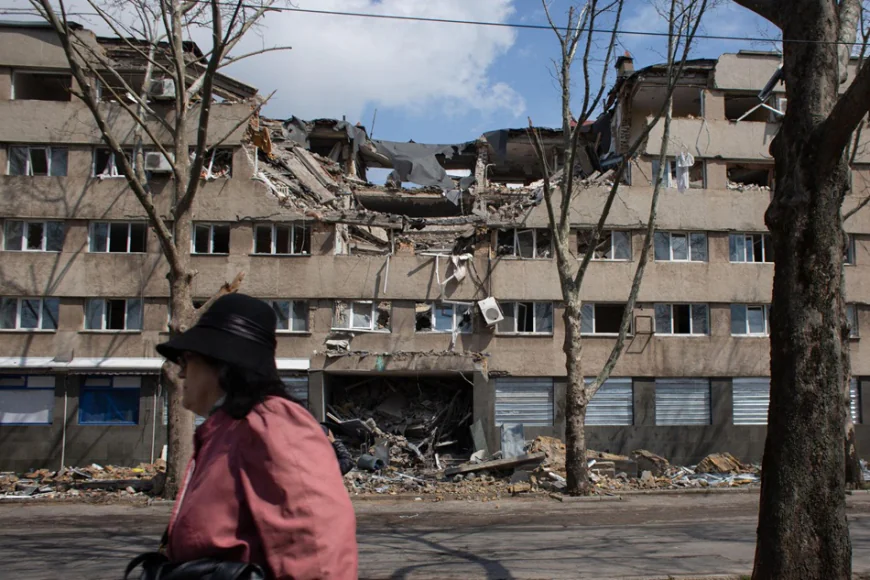
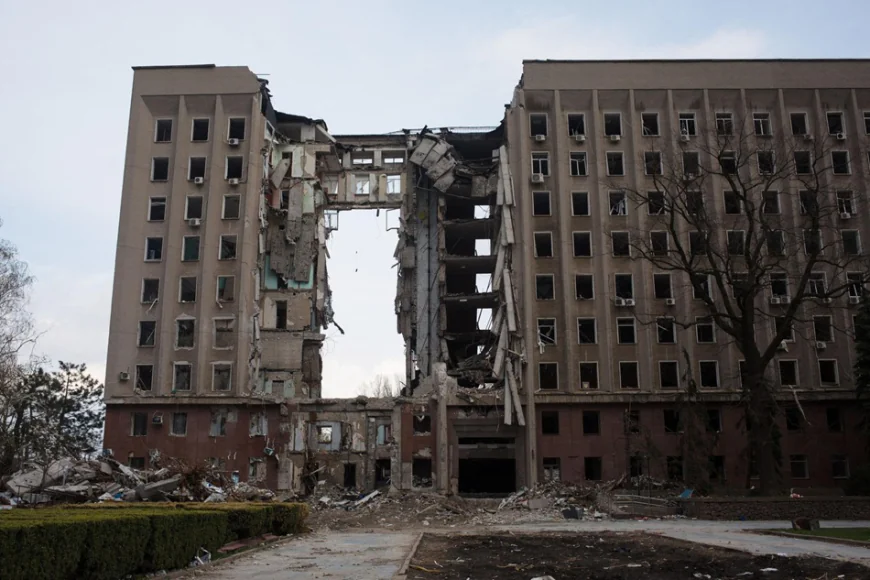
The ultimate test of this continuity occurred on March 29, 2022. In a deliberate attempt to decapitate the region's command-and-control structure, a Russian cruise missile struck the Mykolaiv Regional State Administration building, tearing a massive hole through its center and killing 37 people. Kim later disclosed to the media that had he been in his office at his usual morning hour, he likely would have perished. Despite the catastrophic loss of life and infrastructure, the regional government did not fracture. Emergency operations were seamlessly relocated, and coordination with local intelligence to root out collaborator networks intensified. For his steadfast leadership during this critical juncture, President Zelenskyy awarded Kim the Order of Bohdan Khmelnytsky (III degree) on March 6, 2022.
Engineering survival: The battle for water and power
A regional administrator’s true capacity is measured when essential life-support systems fail. For Mykolaiv, that moment arrived on April 12, 2022, when Russian forces deliberately severed the main pipelines supplying fresh water from the Dnipro River to the city’s half-million residents. Faced with the imminent threat of mass dehydration and outbreaks of infectious diseases, Kim’s administration executed a staggering logistical pivot.
According to reports from Ukrinform, the administration calculated a minimum survival baseline of two liters per person per day. Within a week, a massive network of tanker trucks, railway wagons, and volunteer vehicles was mobilized to distribute water. Simultaneously, municipal crews drilled more than 170 new deep wells and installed over 200 reverse osmosis treatment stations across the city.
The crisis deepened in June 2023 with the catastrophic destruction of the Kakhovka Hydroelectric Power Plant dam, which rendered the old water intake systems permanently unusable. While international engineers estimated that constructing a new, secure pipeline would take two to three years, the Mykolaiv RMA, in coordination with Kyiv, accelerated the timeline dramatically. Deploying over 2,000 technicians, the administration initiated a massive infrastructure overhaul. Notably, Kim has stated that strict financial oversight resulted in a cost reduction of approximately 2 billion Ukrainian Hryvnias (UAH), with the saved funds immediately redirected to modernize water purification facilities.
Beyond the water crisis, the administration has fiercely combated the weaponization of winter. To counter targeted strikes on the national grid, Mykolaiv shifted toward a decentralized energy model. Since 2023, the region has reportedly integrated approximately 1 gigawatt (GW) of alternative energy capacity. By championing distributed generation models—such as localized solar and wind—the region has not only secured its own critical infrastructure but has occasionally managed to supply surplus electricity to neighboring oblasts, showcasing a remarkable degree of wartime self-sufficiency.
Decentralized diplomacy: The Danish partnership model
Perhaps Vitalii Kim’s most enduring legacy will be his innovative approach to international relations. Recognizing that centralized bureaucracies in Kyiv could be slow to disburse recovery funds, Kim pioneered a model of "paradiplomacy," engaging directly with foreign sovereign governments. The cornerstone of this strategy is the exclusive regional partnership forged with the Kingdom of Denmark.
Following a Memorandum of Understanding signed on March 8, 2023, Denmark assumed a patron role over the region's recovery. Under the Danish Ukraine Transition Programme (2025–2028), the Scandinavian nation committed a sweeping €375 million budget, stipulating that a massive 60 percent—over €225 million—be injected directly into Mykolaiv city and the broader region. This unprecedented localized funding stream is managed in coordination with Nordic Environment Finance Corporation (NEFCO) and the UN Office for Project Services (UNOPS), targeting water purification, energy resilience, healthcare, and educational infrastructure.
This model of direct regional empowerment has attracted other global heavyweights. The United Nations Development Programme (UNDP) launched the "Mykolaiv Strategic Partnership," dedicating over $36 million between July 2025 and June 2028 to bolster local governance and economic recovery. In January 2026, the UNDP solidified this commitment by opening a dedicated coordination office in Mykolaiv. Furthermore, Kim’s administration has extended its diplomatic reach across the Atlantic, initiating direct bilateral talks with representatives from the U.S. state of Texas in mid-2025 to explore educational and economic cooperation.
Navigating transparency and post-war ambitions
The influx of hundreds of millions of euros in international aid inherently brings intense scrutiny. Vitalii Kim’s administration operates under the watchful eyes of both domestic anti-corruption watchdogs and foreign auditors. Local investigative media frequently pressure the administration on bureaucratic transparency, such as the full disclosure of official travel expenses—a sign that democratic demands for accountability remain robust even under martial law.
Acknowledging that the perception of corruption is the greatest threat to continued Western funding, Kim has actively collaborated with the National Agency on Corruption Prevention (NACP). During working visits by NACP officials to Mykolaiv, the focus has strictly remained on mitigating corruption risks in procurement and reconstruction tenders. Kim has publicly stressed that safeguarding the region's international reputation is paramount, enforcing strict oversight mechanisms in tandem with civil society observers.
Looking toward the future, Kim has routinely dispelled rumors of national political ambitions. In an expansive interview with NV, he stated explicitly that he harbors no presidential aspirations, preferring to focus entirely on his region's post-war economic renaissance. His strategic blueprint rests on three pillars: the construction of a modern four-lane highway connecting Mykolaiv to Odesa to supercharge logistics, the full integration of the region's currently blockaded ports back into the global supply chain, and an ambitious plan to revive regional tourism following extensive demining operations.
By treating his region not merely as a military fortress, but as a living ecosystem requiring economic, diplomatic, and infrastructural ingenuity, Vitalii Kim has established a new paradigm for governance. His leadership in Mykolaiv provides a tangible, scalable blueprint for Ukraine’s eventual national reconstruction, proving that resilience is built not just with weapons, but with transparent governance, strategic communication, and visionary international partnerships.
Yusuf İnan
www.wisenewspress.com
Yusuf İnan is a journalist and author. He serves as Editor-in-Chief of WiseNewsPress.com, SehitlerOlmez.com, and YerelGundem.com, and specializes in strategic and political analysis of Turkish and global affairs.
What's Your Reaction?
 Like
0
Like
0
 Dislike
0
Dislike
0
 Love
0
Love
0
 Funny
0
Funny
0
 Wow
0
Wow
0
 Sad
0
Sad
0
 Angry
0
Angry
0

Editor | Wise News Press — Delivering accurate, timely global news with integrity, insight, and editorial responsibility.












Comments (0)