



Turkey’s Odesa Consulate Emerges as a Frontline Crisis Hub in Ukraine War
Turkish Consul General Muhittin Çelik leads a shift toward operational diplomacy in Odesa, balancing crisis response, maritime security, and economic engagement amid ongoing conflict.


By Yusuf İnan
Journalist | Political & Strategic Analyst
At the Frontline of Diplomacy: Turkey’s Odesa Mission in a War-Shaped Black Sea
KYIV / ODESA — As Russia’s war in Ukraine reshapes security dynamics across Europe, diplomacy in the Black Sea region is no longer confined to negotiation tables. In cities like Odesa—Ukraine’s main maritime gateway—foreign missions are increasingly operating under conditions closer to crisis management than traditional diplomacy.
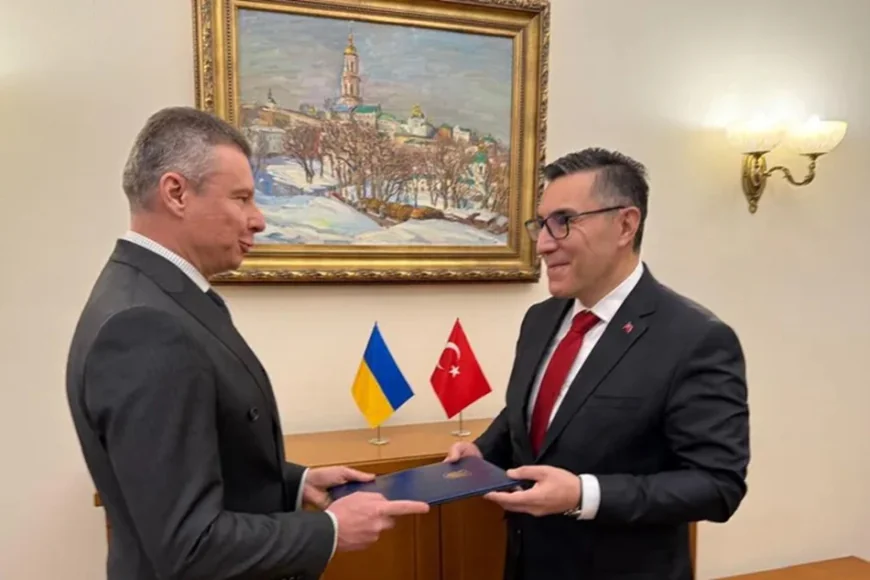
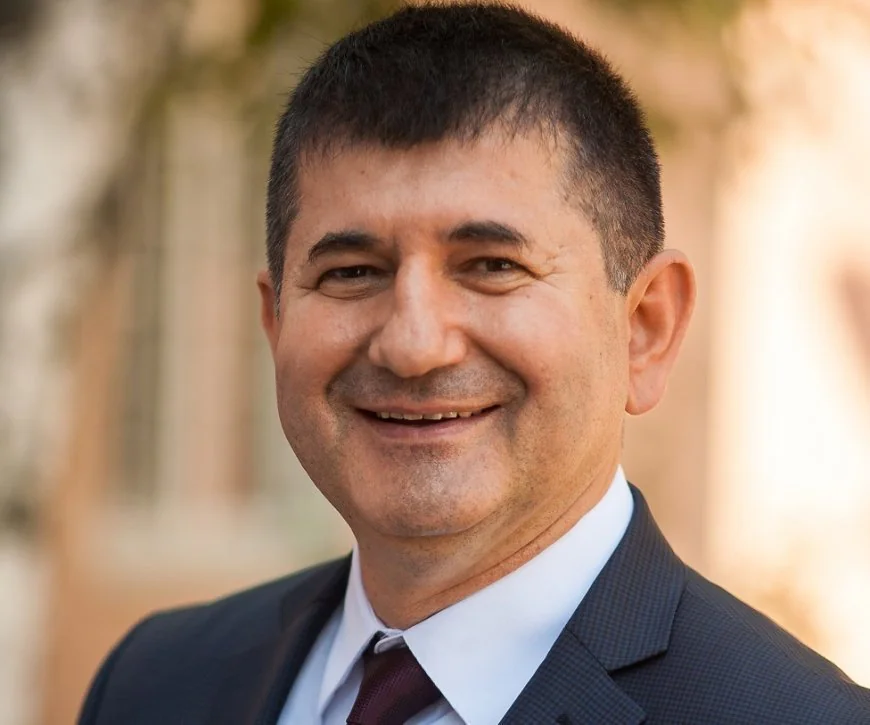
In this environment, Muhittin Çelik, Turkey’s Consul General in Odesa since September 2024, represents a broader shift in how mid-level diplomatic posts function during prolonged conflict.
A strategic city under pressure
Odesa sits at the center of Ukraine’s export economy, particularly grain shipments that are critical to global food supply chains. Since the start of the Rusya-Ukrayna Savaşı, the city has been repeatedly targeted by missile and drone strikes, disrupting port operations and energy infrastructure.
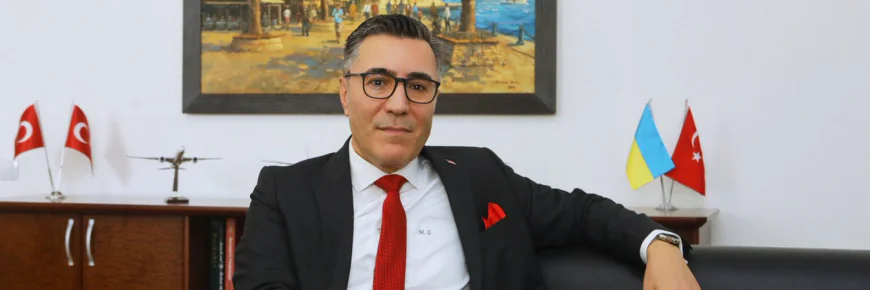


For diplomatic missions, this has created a dual challenge: maintaining formal representation while responding to immediate risks affecting citizens, logistics networks and commercial actors.
Turkey’s presence in Odesa reflects its broader Black Sea strategy—balancing support for Ukraine’s sovereignty with efforts to preserve functional economic and diplomatic channels in a fragmented regional order.
From career diplomat to crisis operator
Çelik, born in 1970 in central Turkey, joined the Turkish Foreign Ministry in 1996 after studying German language and literature at Hacettepe Üniversitesi. His career spans postings in Germany, Serbia and Canada, alongside multilateral work at the Uluslararası Sivil Havacılık Örgütü.


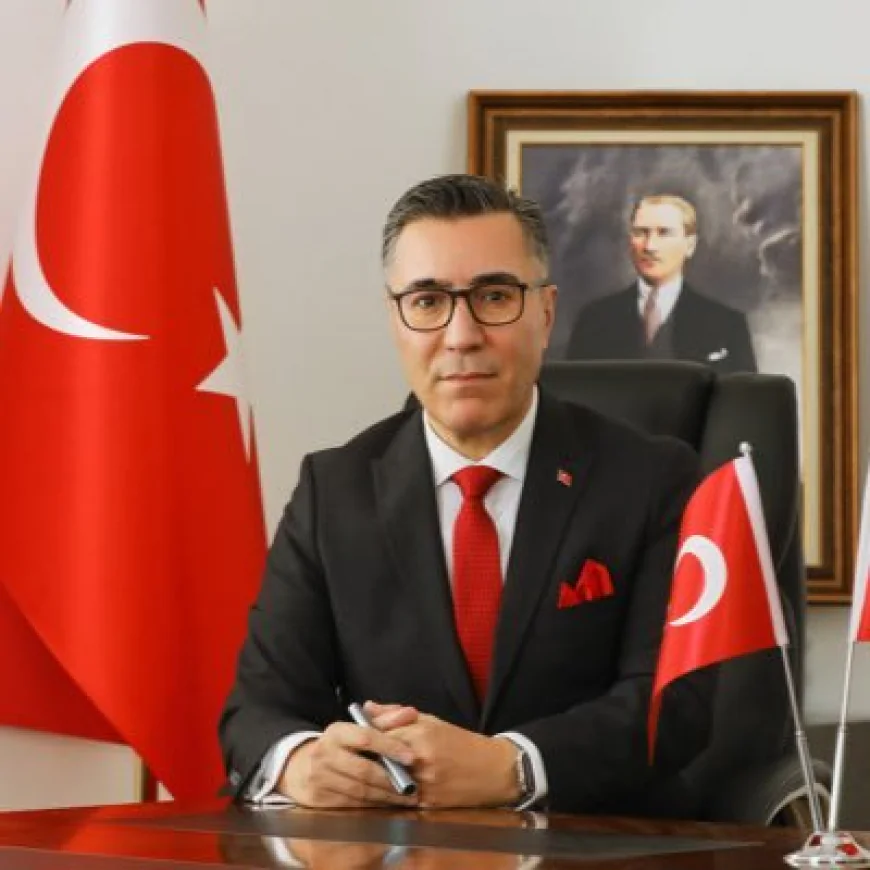
Within the ministry, he held roles focused on consular affairs, maritime and aviation coordination, and executive-level administration. This combination—citizen services and transport security—has become particularly relevant in Odesa, where disruptions to shipping routes and civilian mobility are routine.
Diplomats with such operational backgrounds are increasingly deployed in high-risk regions, reflecting a shift in foreign service priorities from protocol to response capability.
Consulates as operational hubs
Under Çelik’s leadership, the Turkish Consulate General in Odesa has adopted a model that differs from many foreign missions operating in conflict zones.
While several countries reduced staff or scaled back services, the Turkish mission maintained continuous operations, reportedly providing around-the-clock access to consular support.
The emphasis has been on rapid processing and direct engagement, particularly for Turkish nationals working in shipping, logistics and trade sectors exposed to frontline risks.
This reflects a broader trend in modern diplomacy: consulates acting not only as administrative centers but as operational nodes coordinating legal assistance, evacuation logistics and real-time communication.
However, such an approach also carries risks, including staff exposure to security threats and reliance on local coordination mechanisms that may be strained during active hostilities.
Maritime crises test diplomatic capacity
The Black Sea remains one of the most contested maritime spaces globally, and incidents involving civilian vessels have become frequent.
In November 2025, a Turkish-flagged LPG vessel near Izmail port was caught in escalating hostilities. According to available accounts, the crew contacted the consulate directly, triggering coordination between Turkish authorities and Ukrainian officials that led to a safe evacuation.
A similar situation unfolded in December 2025, when strikes on the Chornomorsk port area affected Turkish logistics personnel and international drivers. The consulate again played a central role in coordinating extraction efforts.
Such cases illustrate how diplomatic missions are increasingly required to operate with the speed and precision of emergency response units—often without the infrastructure typically associated with such roles.
Economic ties under strain
Despite ongoing conflict, economic engagement has not ceased. Turkey remains one of Ukraine’s key regional partners, particularly in maritime logistics.
In early 2025, Turkish shipping company Medkon Lines resumed container transport between Istanbul and Odesa after a multi-year suspension. The move signaled cautious confidence in partial stabilization of maritime routes, although risks remain high.
Diplomatic facilitation played a role in enabling such activity, including coordination with local authorities and port administrations.
Still, analysts note that the sustainability of these trade corridors depends heavily on security conditions, insurance frameworks and broader geopolitical developments in the Black Sea.
Soft power amid hard realities
Alongside crisis management and economic engagement, Turkey has maintained a visible cultural presence in Odesa.
Initiatives have included academic cooperation, outreach to minority communities such as the Gagauz, and public cultural events. These activities aim to reinforce long-term societal ties at a time when hard security concerns dominate daily life.
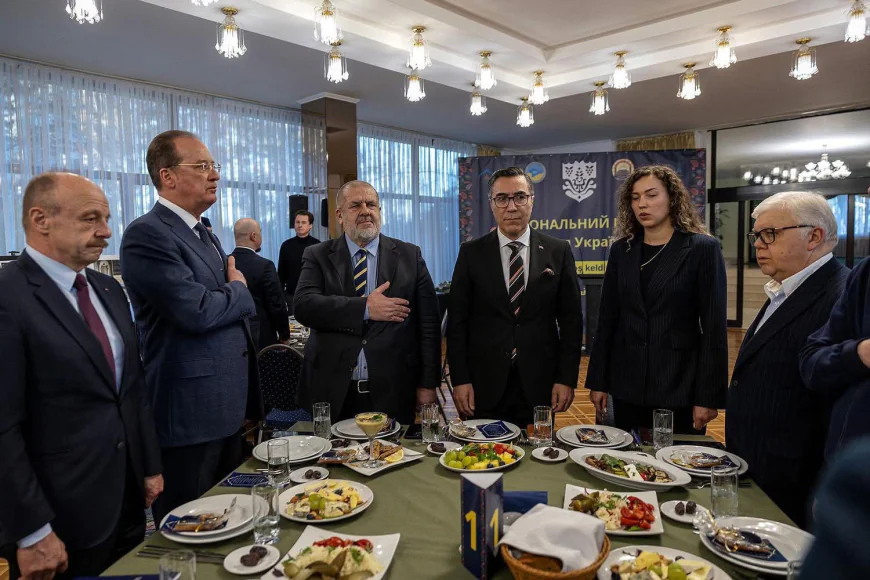
Events such as Turkish Coffee Day, held in central Odesa, serve both symbolic and practical purposes—projecting stability, familiarity and continuity amid uncertainty.
However, the effectiveness of soft power efforts in conflict zones remains debated, particularly when security conditions limit public participation and mobility.
A test case for middle-power diplomacy
Turkey’s role in Ukraine differs from that of Western allies. While supporting Kyiv politically and militarily, Ankara has maintained dialogue channels with Moscow and positioned itself as a mediator in certain contexts.
Field-level missions like the one in Odesa are critical to implementing this balancing strategy. They provide continuity of presence and engagement, even as larger geopolitical alignments remain fluid.
Çelik’s tenure can therefore be seen as part of a broader experiment in middle-power diplomacy under pressure—where influence is exercised through operational persistence rather than dominance.
Conclusion: Diplomacy in transition
The experience of the Turkish Consulate in Odesa reflects a wider transformation in the practice of diplomacy.
In conflict environments, diplomatic missions are increasingly expected to:
- Respond in real time to crises
- Support economic resilience
- Maintain communication channels across divides
Gather than operate solely as instruments of formal representation.
Whether this model is sustainable in prolonged conflicts remains an open question. But in places like Odesa, it is already redefining what diplomacy looks like on the ground.
Yusuf İnan
www.wisenewspress.com
Yusuf İnan is a journalist and author. He serves as Editor-in-Chief of WiseNewsPress.com, SehitlerOlmez.com, and YerelGundem.com, and specializes in strategic and political analysis of Turkish and global affairs.
What's Your Reaction?
 Like
0
Like
0
 Dislike
0
Dislike
0
 Love
0
Love
0
 Funny
0
Funny
0
 Wow
0
Wow
0
 Sad
0
Sad
0
 Angry
0
Angry
0

Editor | Wise News Press — Delivering accurate, timely global news with integrity, insight, and editorial responsibility.
















Comments (0)