Russian drone swarm targets Mykolaiv triggering loud explosions
Ukrainian air defenses intercepted Russian drones over Mykolaiv following a devastating daytime attack that severely damaged residential areas in the city.
 Editor


By Yusuf İnan | Wise News Press
MYKOLAIV, UKRAINE — Ukrainian air defense units successfully intercepted a wave of Russian uncrewed aerial vehicles over the southern city of Mykolaiv late Sunday, triggering massive secondary explosions that shook the region.
The nighttime interceptions follow a relentless day of aerial bombardments that severely damaged multiple private residential homes, highlighting the escalating threat posed by Russian forces launching coordinated drone swarms from the Black Sea to cripple Ukraine's southern civilian infrastructure. As local authorities assess the extent of the damage, the dual daytime and nighttime strikes underscore the continuous volatility of the airspace in southern Ukraine and the critical reliance on rapid-response air defense systems.
The midnight drone interception
The latest escalation began late Sunday evening when the Air Forces of the Armed Forces of Ukraine detected multiple hostile targets originating from the Black Sea. According to military monitoring channels, the uncrewed aerial vehicles (UAVs) established a direct northern trajectory, locking their flight paths toward the Mykolaiv region.
At precisely 22:07 local time, widespread air raid sirens were activated across the Mykolaiv district, urging residents to seek immediate shelter. The agonizing wait culminated at 23:19 when Ukrainian anti-aircraft batteries and mobile fire groups engaged the incoming targets. Observers on the ground reported hearing the distinct, low-frequency hum of the drones hovering over the urban landscape, followed shortly by the sharp crack of air defense artillery.
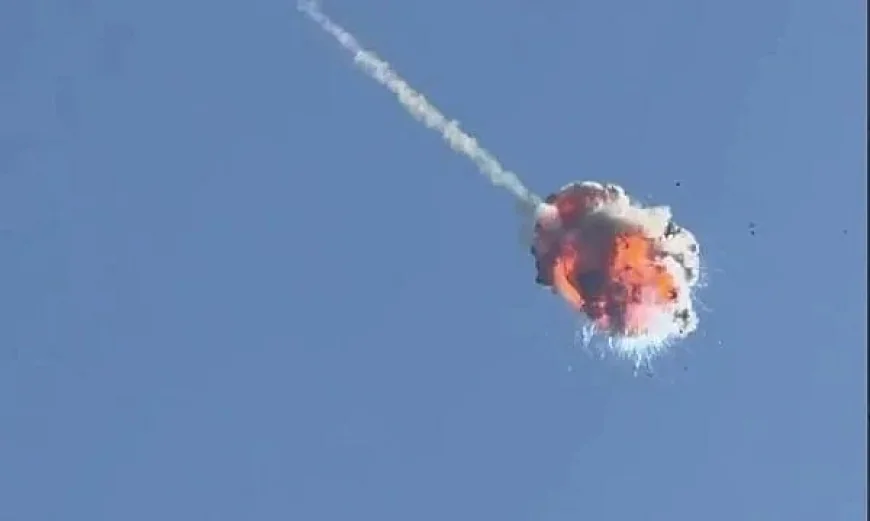
Following the successful downing of one of the primary drones, a second, remarkably loud explosion resonated through the city. Security analysts suggest this deafening blast was likely the detonation of the drone's high-explosive warhead as the intercepted wreckage crashed into the ground. Emergency response teams were immediately dispatched to the suspected crash site to contain any potential fires and secure the perimeter against unexploded ordnance.


Ukrainian anti-aircraft mobile groups frequently use powerful searchlights to track and neutralize hostile drones during nighttime raids. (Photo: Agency/Wise News Press)
Daytime strikes damage residential zones
The midnight chaos was preceded by a terrifying daylight assault on the city. Earlier on Sunday afternoon, Mykolaiv was rocked by a significant explosion that directly impacted civilian neighborhoods. Preliminary reports from local municipal authorities confirmed that the daytime attack caused severe structural damage to at least four private residential houses.
Photographic evidence released in the aftermath of the daytime strike revealed shattered windows, collapsed roofing, and debris scattered across residential streets. The immediate deployment of local fire brigades and medical personnel helped mitigate the fallout, though the psychological impact on the neighborhood was profound. The seamless transition from a destructive daytime strike to a nighttime drone swarm illustrates a calculated military strategy designed to overwhelm emergency services and deny the civilian population any period of respite.
The strategic importance of Mykolaiv
Mykolaiv’s geographical and industrial positioning makes it a perpetual target in the ongoing conflict. Situated near the Black Sea coast and acting as a gateway to the broader southern front, the city is a vital logistical and shipbuilding hub for Ukraine.
Throughout the war, maintaining control and operational security in Mykolaiv has been essential for preventing Russian forces from advancing westward toward the strategic port city of Odesa. By continuously harassing Mykolaiv with long-range munitions and loitering munitions, Russian forces aim to disrupt military supply lines, degrade regional infrastructure, and force the Ukrainian military to keep valuable air defense assets pinned down in the south rather than redeploying them to the eastern frontlines.
Russia's evolving drone warfare tactics
The methodology behind Sunday’s attacks reflects a broader evolution in Russian offensive tactics. The use of the Black Sea as a primary launchpad for drone swarms has become a standardized operational procedure. By launching from maritime perimeters or the occupied Crimean Peninsula, Russian operators attempt to minimize the early warning time available to Ukrainian radar operators.
Military experts note that these drones, often Iranian-designed Shahed-type loitering munitions, are programmed to fly at extremely low altitudes. This terrain-hugging flight profile utilizes riverbeds and valleys to mask their approach from conventional radar systems. Furthermore, deploying these cost-effective drones in successive waves forces Ukraine to expend highly expensive surface-to-air missiles, creating an asymmetrical financial burden on Kyiv’s western-supplied defense grid.
Local authorities assess the structural damage to private homes following the devastating daytime bombardment in Mykolaiv. (Photo: Agency/Wise News Press)
Ukraine's air defense capabilities
In response to the persistent aerial threat, Ukraine has drastically diversified its air defense architecture. The successful interception over Mykolaiv at 23:19 highlights the effectiveness of Ukraine's layered defense strategy.
While sophisticated western systems like Patriot and NASAMS protect high-value strategic assets, cities like Mykolaiv heavily rely on highly mobile fire groups. These units, equipped with heavy machine guns, automated anti-aircraft cannons, and thermal imaging equipment, navigate the city in pickup trucks to intercept drones visually. Despite their high success rate, local authorities consistently warn civilians that an intercepted drone remains a lethal threat. The falling debris, which often includes intact warheads or burning fuel, can cause catastrophic secondary damage upon impact with urban environments, as witnessed by the loud secondary explosion reported late Sunday.
Psychological and physical toll on civilians
The human cost of these relentless bombardments extends far beyond physical infrastructure. The citizens of Mykolaiv have endured years of disrupted sleep, constant anxiety, and the ever-present threat of violence. The strategic use of nighttime drone swarms is widely recognized by human rights observers as a tactic of psychological attrition.
Sleep deprivation caused by blaring sirens at 22:07 and midnight explosions systematically degrades the resilience of the civilian workforce. Despite these immense pressures, the local population continues to display remarkable fortitude. Volunteer networks rapidly mobilize to repair damaged roofs, distribute essential supplies to families whose homes were destroyed in the daytime strikes, and provide psychological first aid to traumatized children.
Next steps and regional security
As Monday morning approaches, municipal workers and explosive ordnance disposal (EOD) teams are expected to secure the crash sites and begin the arduous process of clearing debris. The regional military administration has reiterated its plea for residents to strictly observe air raid protocols and refrain from filming or publishing the locations of air defense operations, which could compromise their positions.
With hostile UAV activity remaining a constant presence over the Black Sea, military officials warn that the threat environment remains elevated. The events of Sunday serve as a stark reminder that the defense of southern Ukraine requires unwavering vigilance and a continuous supply of defensive munitions to protect its civilian centers from the skies.