Central African Republic heads to polls as Russia-backed Touadera eyes victory
Voters in the Central African Republic head to the polls for a historic "quadruple election" with Russia-aligned President Touadera favored to secure a third term.
 Editor


WISE NEWS PRESS / BANGUI, CENTRAL AFRICAN REPUBLIC — DEC. 29, 2025
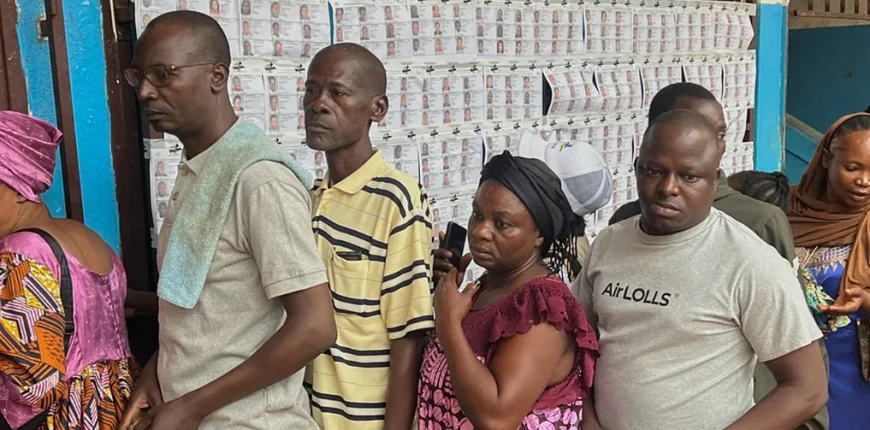
Citizens of the Central African Republic (CAR) headed to the polls on Sunday for an unprecedented "quadruple election," casting ballots for presidential, legislative, regional, and local representatives simultaneously.
Incumbent President Faustin-Archange Touadera, one of Moscow’s staunchest allies on the continent, is widely expected to secure a third term following a controversial 2023 referendum that abolished term limits. Analysts suggest a Touadera victory will further solidify Russia's security and economic footprint in the mineral-rich nation.
Russia’s Strategic Foothold in the Sahel
President Touadera has governed with the significant support of Russian-backed forces, including the Wagner Group (now rebranded as Africa Corps), since 2018. The CAR was among the first African nations to welcome Russian paramilitaries to protect local authorities and combat armed rebel groups. This partnership has allowed Moscow to exchange security services for access to strategic resources, making the CAR a blueprint for Russia’s "security-for-resources" model across the Sahel region.
Opposition Boycott and Key Challengers
The elections are taking place under the shadow of a major opposition boycott. The "Republican Block for the Defense of the Constitution," the main opposition coalition, announced in October that it would not participate, citing an "unequal political environment." Despite the boycott, six candidates are challenging Touadera, including former prime ministers Anicet-Georges Dologuélé and Henri-Marie Dondra. While both are seasoned politicians, they have struggled to compete with the incumbent’s control over state resources and the security apparatus.
Results Expected in January
With approximately 2.4 million registered voters, the National Election Authority (ANE) expects to announce provisional results within a week, with final certification by January 18, 2026. If no presidential candidate secures more than 50% of the vote, a runoff will be held in February. The 5.5 million-strong nation has been plagued by instability since 2013, when Muslim rebels seized power and ousted former President François Bozize. While a 2019 peace deal slowed the violence, several armed groups have since withdrawn from the agreement, leaving the country’s security situation fragile.