Berlinale Director Tricia Tuttle removed amid Gaza controversy
Germany’s Culture Minister has called for the removal of Berlinale Director Tricia Tuttle following an antisemitism scandal during the festival's award ceremony.
 Editor


By Ahmet Taş | Wise News Press
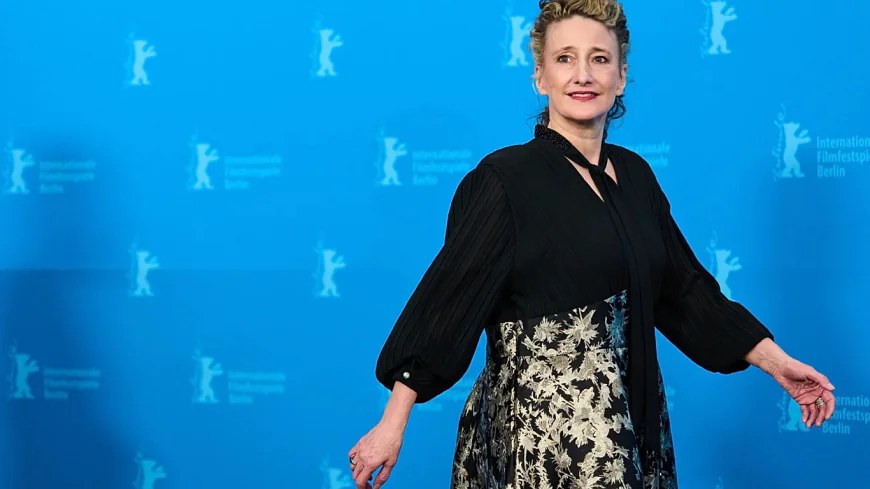
BERLIN, GERMANY — Wolfram Weimer, the Federal Government Commissioner for Culture and the Media, has called for the immediate removal of Tricia Tuttle as Director of the Berlin International Film Festival (Berlinale).
The decision follows an "antisemitism scandal" that erupted during the festival’s closing ceremony, where several award winners made political statements regarding the conflict in Gaza. Hükümet sources indicate that the board of directors will hold an extraordinary meeting on Thursday to discuss the festival's future direction and official personnel changes.
Award ceremony speeches spark political backlash
The controversy peaked on Saturday night when several filmmakers used their acceptance speeches to express support for Palestine and Gaza. Environmental Minister Carsten Schneider reportedly walked out of the ceremony after Palestinian director Abdallah Al-Khatib, winner of the Perspectives section, accused the German government of being "complicit in Israel's genocide in Gaza".
Minister Weimer emphasized that the Berlinale must not be a platform for "hate speech, threats, or antisemitism," particularly when financed by taxpayer money. While the festival initially defended the speeches as being within the limits of German freedom of expression laws, the subsequent public and political pressure has made Tuttle's position untenable.
A festival under pressure
The political climate of the festival was tense from the opening day, when jury president Wim Wenders warned that "we should stay away from politics" to avoid entering a purely political arena. This stance was met with social media criticism and an open letter accusing the festival of remaining silent on the humanitarian situation in Gaza.


The Berlinale, established in 1951, is considered one of the "Big Three" film festivals alongside Cannes and Venice. The German government now faces the challenge of appointing a new leader who can navigate the complex intersection of artistic expression and political sensitivity that has come to define the event's 2026 edition.